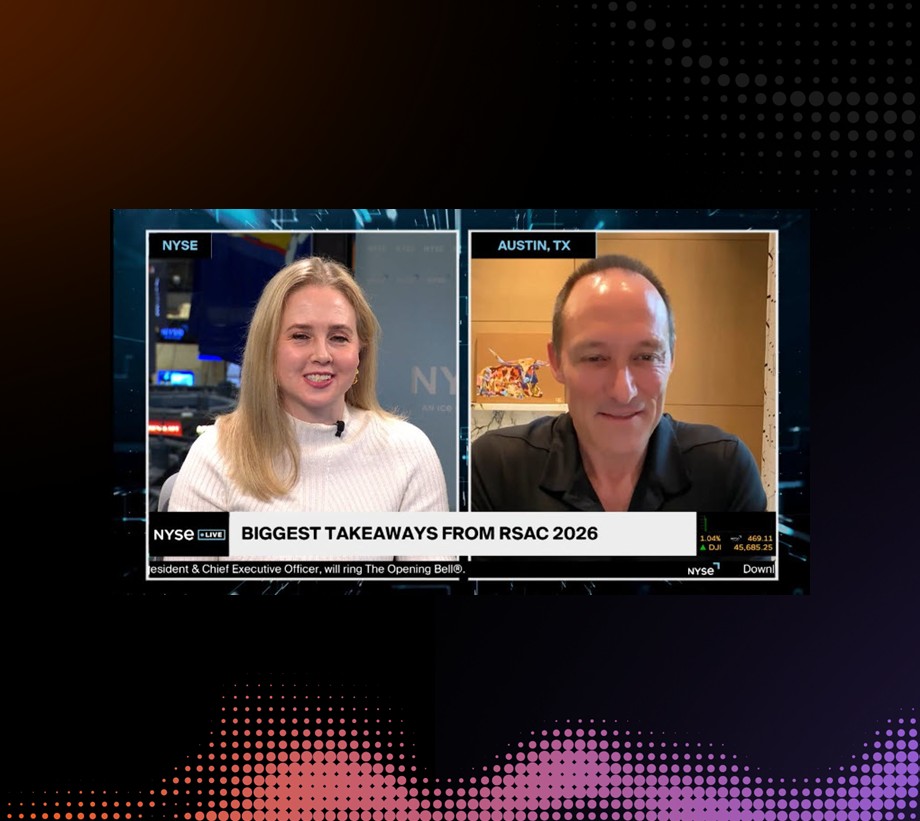
Following last week’s RSAC conference, Aviatrix CEO Doug Merritt appeared on NYSE Live to discuss his biggest takeaways. The major theme at RSAC this year was AI security: every conversation focused on how rapidly AI adoption is advancing and whether organizations have the security controls for their AI tools.
Doug explained how these conversations relate to the two core elements in cyber:
How do you stop the bad guys from getting in?
What do you do if they’re in?
The massive attack surface attached to AI has made most security leaders focus on the first question, prevention: how do I stop AI agents from getting poisoned or hijacked and exposing sensitive data from my network?
Last week’s LiteLLM breach showed the urgency of these questions. The incident demonstrated how AI is giving both attackers and defenders a new set of tools: a hacker team poisoned a commercial version of middleware used in over a third of enterprises globally to connect users to the core LLM engines such as OpenAI, Anthropic, and Google. This middleware contained the “keys to the kingdom” or credentials for all data repositories. They inserted malware that, once downloaded, exfiltrated those credentials to the attackers’ site.
Doug explained the simple prevention that people are missing: if enterprises just pivot back to foundational cloud network security controls, we can govern what AI agents and middleware talk to and where they send data. He compared it to vault security: even if attackers can get into the vault, cloud and network security teams can insert bars that keep them from exiting the vault and smuggling the valuables out.
“I am urging all executives to look very carefully at their cloud stance and make sure that they have that network-level security to stop these bad things from happening,” Doug said, “because a lot more are going to happen, and they’re going to happen very quickly.”