
Pqc
Post-quantum cryptography protects data from quantum and classical attacks. NIST finalized standards in 2024. Migration starts with cryptographic visibility. Explore our full PQC glossary for deeper dives on every topic.
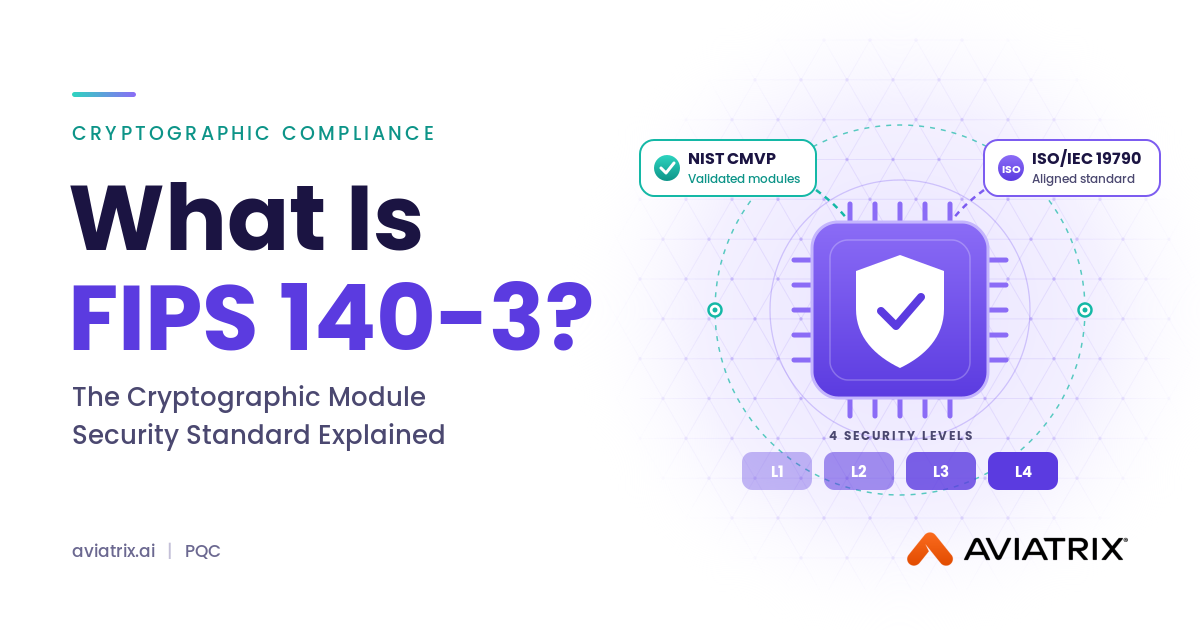
What Is FIPS 140-3? Cryptographic Module Security Standard Guide
Learn what FIPS 140-3 is, its four security levels, how the cryptographic module validation program works, and why federal agencies require FIPS validated encryption.
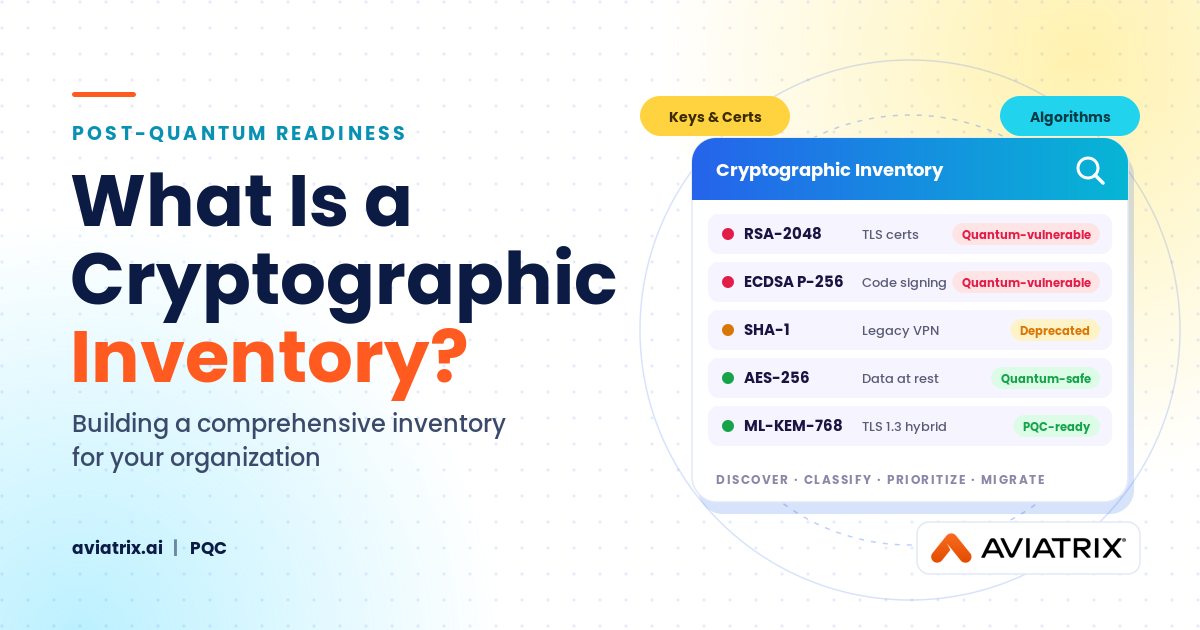
What Is a Cryptographic Inventory? Complete Asset Discovery Guide
Learn what a cryptographic inventory is, why it matters for post-quantum migration, how to discover cryptographic assets, and build a comprehensive inventory.
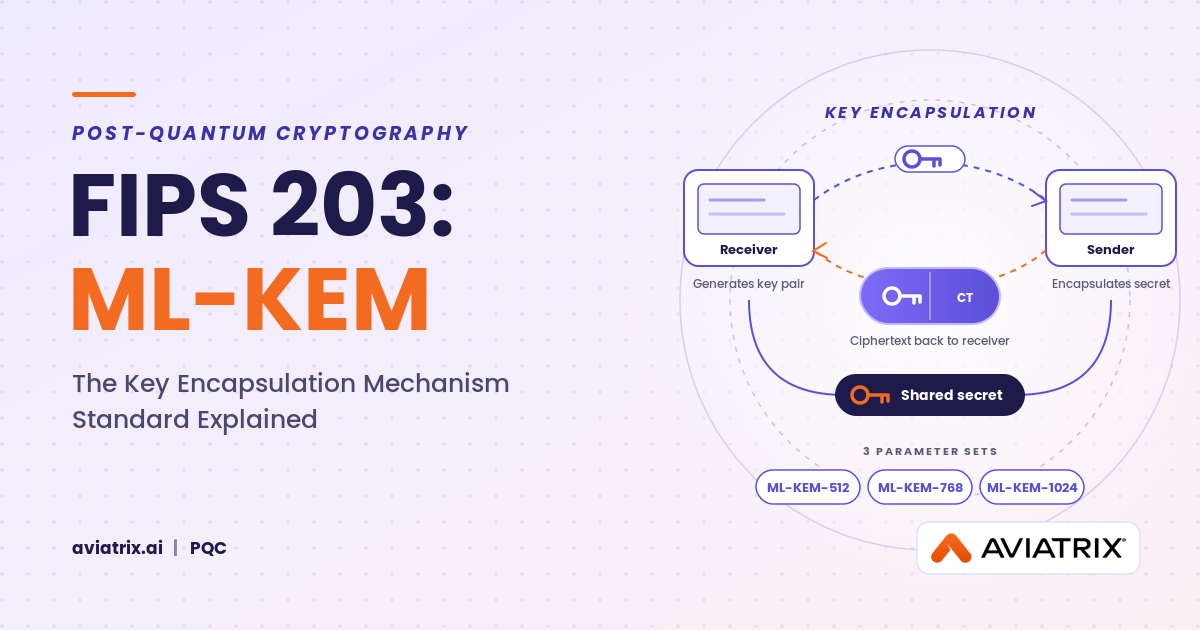
What Is FIPS 203? ML-KEM Key Encapsulation Mechanism Standard
Learn what FIPS 203 is, how the ML-KEM key encapsulation mechanism works, its three parameter sets, and why this post-quantum cryptography standard matters.
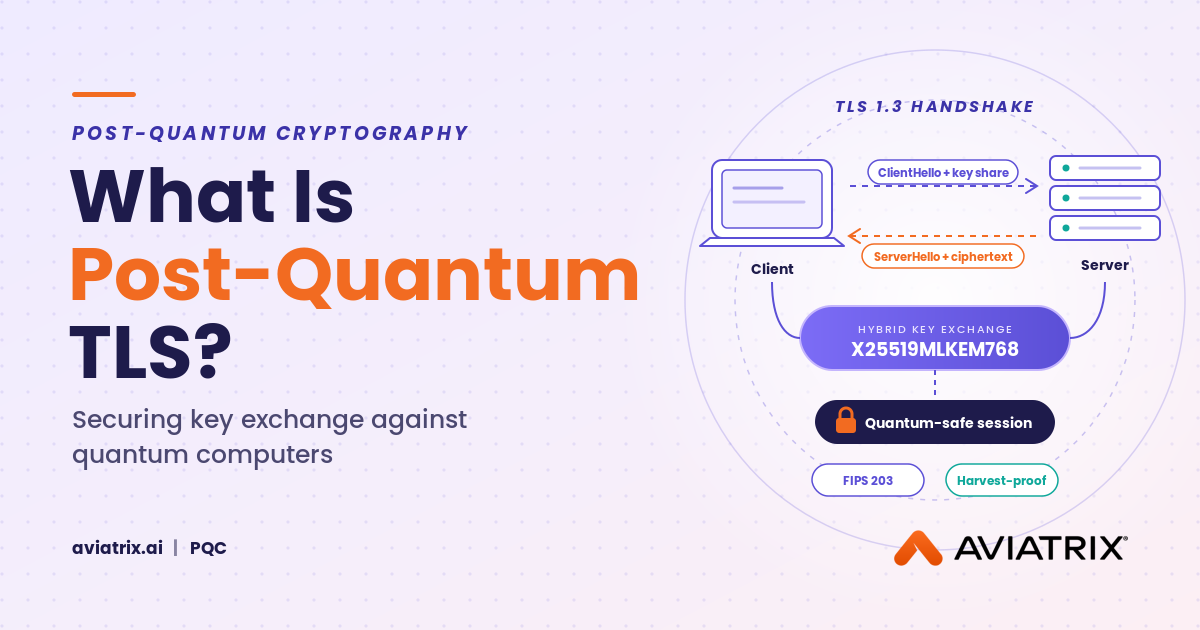
What Is Post-Quantum TLS? Hybrid Key Exchange Explained
Learn what post-quantum TLS is, how hybrid key exchange protects data from quantum computers, and why organizations should begin post-quantum migration now.
Showing 13–16 of 16 articles